The Fairness Trap: How Waiting for Justice Is Keeping You From Success
Last week during Fundamentals class, I was partnered up with Josué, a really nice fellow beginner—intelligent, not spazzy, and fun to learn with. There was just one small problem: he was 230 pounds, almost twice my weight. In fact, if I lost 5 pounds, he would be literally twice my weight.
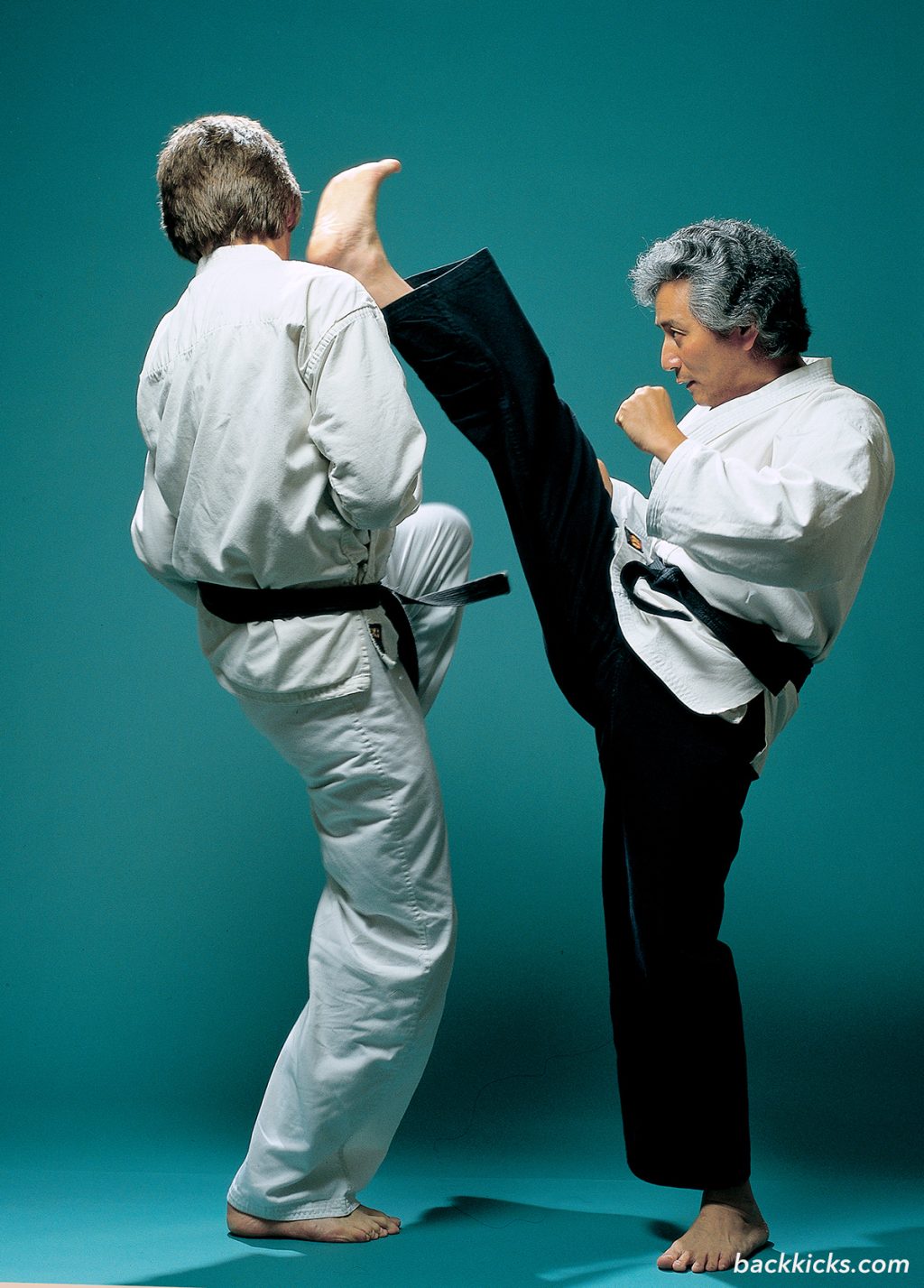
We were practicing attacking from closed guard and doing a triangle choke—something I would never attempt on him if we were live-rolling, but for the sake of the class, we followed along. Berg, watching me struggle both figuratively and literally, commented that I should have picked a smaller training partner.
I laughed and told him, “Life isn’t fair.”
That simple statement contains one of the most important truths about success that almost nobody wants to acknowledge.
The Entertainment Myth
Everybody watching sports loves a good game—two evenly-matched teams or opponents going head-to-head, making for compelling competition and rivalry.
I personally loved watching Magic Johnson and Larry Bird battle it out during the ’80s. The drama, the back-and-forth, the uncertainty of outcome—it made for incredible entertainment.
But that’s exactly what it was: entertainment.
Life is completely different, and the idea that it should operate like a sporting event with referees ensuring fair play is not just naive—it’s destructive to your chances of success.
The fairness obsession holds everyone back in two crucial ways:
First, when life is unfair to you (which it constantly is), you waste energy being upset about it instead of adapting to reality.
Second, and perhaps more importantly, when you do have an advantage, you don’t take full advantage of it because you’ve been conditioned to believe that using your strengths somehow isn’t “fair” to others.
Both responses are guaranteed to keep you mediocre.
The Reality Check for Me on the Construction Site
Working construction for decades taught me this lesson in the most direct way possible. Construction sites are pure meritocracy combined with brutal unfairness.
Some guys were naturally stronger and could handle heavier loads.
Some were more mechanically inclined and picked up techniques faster.
Some had family connections that got them better opportunities.
Some had better production records because they were naturally more efficient.
Some had charisma that made foremen want them on their crews.
None of this was “fair” in the abstract sense, but it was reality.
The guys who succeeded were the ones who maximized whatever advantages they had while finding ways to compensate for their disadvantages.
The electrician who wasn’t the strongest developed the best technique.
The carpenter who wasn’t naturally gifted worked harder and asked the most questions.
The laborers who didn’t have family connections built relationships through reliability and positive attitude.
The guys who failed were the ones who complained about unfairness instead of adapting to reality.
They’d waste energy being resentful that the foreman’s nephew got preferential treatment instead of figuring out how to become so valuable that their own position was secure.
They’d complain that some workers had better tools instead of investing in better equipment themselves.
They’d grumble about others having “natural talent” instead of developing superior work ethic.
They were right that it wasn’t fair. They were wrong to think that mattered.
Martial Arts as a Forge and Anvil

Martial arts provides a perfect opportunity for understanding how to deal with inherent unfairness because physical mismatches are constant and unavoidable.
Every time I step on the mats, I’m dealing with people who have different physical attributes, skill levels, experience, and natural abilities.
Some training partners are stronger, some are faster, some are more flexible, some have better coordination, some have been training longer.
None of this is “fair,” and complaining about it would be pointless.
Instead, I’ve learned to play the game with the cards I’m dealt.
Against larger opponents like Josué, I have to rely on technique, timing, and strategy rather than strength.
Against more experienced grapplers, I focus on defense and survival while learning as much as possible.
Against younger, more athletic partners, I use positioning and pressure to neutralize their physical advantages.
But here’s the crucial part: when I do have advantages, I use them fully.
When rolling with someone newer or smaller, I don’t handicap myself out of some misguided sense of fairness.
I use my experience, technique, and whatever physical advantages I possess.
This serves both of us—I get to practice my offensive game, and they get to experience real pressure and learn to deal with being outmatched.
Holding back doesn’t help anyone improve.
The Therapist’s Insight
I remember a session with my therapist after taking the MMPI assessment.
When we got the results back, he spent most of the session commenting, “You’re emotionally explosive…” to which I repeatedly responded, “So…”
Finally, he said something that stuck with me: “I find it interesting that you chose a job (construction) and a hobby (martial arts) where your explosiveness is not necessarily a detriment and could actually be a positive.”
At one point, looking at my assessment, he even said, “I’m surprised you haven’t been in jail.”
I just laughed.
Whether he was a good or bad therapist, I learned something crucial from those sessions: instead of trying to eliminate my natural characteristics, I needed to find environments where they could be assets rather than liabilities.
This is the opposite of the fairness mindset.
Instead of complaining that my emotional volatility wasn’t “fair” to others or wishing I was different, I learned to channel that intensity into contexts where it provided competitive advantage.
My emotional explosiveness became an asset in situations requiring quick, decisive action under pressure.
The “Should” Delusion
People trapped in fairness thinking live in a world of “shoulds.”
- Life should be fair.
- Competition should be level.
- Success should be based purely on merit.
- Opportunities should be distributed equally.
Every “should” is a rejection of reality in favor of fantasy.
There are no “shoulds” in the universe.
There is only what is, and the question of what you’re going to do about it.
When I introduce myself as “What the Fuck Chuck,” it’s because I learned both on construction sites and on the mats that you have to deal with the cards you’re dealt and make the most of them.
When you have an advantage, you ride it—at the very least to build breathing room, and at the most to prevent others from trying to beat you down.
This isn’t about being cruel or exploitative. It’s about being realistic and strategic.
The Conflict Avoidance Connection
People who think life should be fair are often the same ones who say “conflict doesn’t solve anything.”
They’re terrified of confrontation because they’ve bought into the myth that all interactions should be harmonious and mutually beneficial.
This mindset prevents them from setting healthy boundaries with real consequences, and they end up getting run over repeatedly.
They don’t negotiate hard for salaries because it might create conflict.
They don’t defend their time and energy because setting boundaries might upset someone.
They don’t pursue competitive opportunities because competition feels “unfair” to others.
The result is a life of being constantly taken advantage of by people who have no such compunctions.
The Advantage Utilization Strategy
Once you accept that life isn’t fair, the strategic question becomes:
How do you maximize your advantages while minimizing your disadvantages?
Identify Your Natural Advantages What do you have that others don’t? This might be physical attributes, intellectual capabilities, social connections, financial resources, life experiences, personality traits, or learned skills.
Double Down on Strengths Instead of trying to be well-rounded, become exceptional in areas where you have natural or developed advantages. The goal isn’t fairness—it’s effectiveness.
Compensate for Weaknesses Where you can’t compete directly, find alternative strategies. Use technique when you lack strength, use persistence when you lack natural talent, use preparation when you lack experience.
Choose Your Battlegrounds Like my therapist observed, find environments where your particular combination of traits provides competitive advantage rather than trying to succeed in contexts that favor your weaknesses.
Use Advantages While You Have Them Advantages often have expiration dates. Youth fades, markets change, connections move on, opportunities disappear. When you have an edge, press it.
The Moral Dimension
This doesn’t mean abandoning all ethics or becoming a sociopath.
There’s a crucial difference between using your advantages strategically and being unnecessarily cruel or destructive.
You can compete hard while maintaining integrity.
On the mats, I use every technique, position, and physical advantage I possess, but I also tap immediately when caught, help training partners learn, and never intentionally injure anyone.
In business, I negotiate aggressively for favorable terms while honoring my commitments and treating people with respect.
The key is understanding that fair play doesn’t mean equal outcomes—it means following the actual rules of the game rather than imaginary rules about how things “should” be.
The Victim Mentality Trap
Perhaps the most destructive aspect of fairness thinking is how it creates victim mentality.
When things don’t go your way, instead of asking “What can I do differently?” you ask “Why isn’t this fair?”
This mental habit is poison to personal development.
Victims focus on what others should do differently rather than what they can control.
They waste energy being resentful about circumstances instead of adapting to them.
They miss opportunities because they’re busy complaining about the opportunities they don’t have.
Every minute spent lamenting unfairness is a minute not spent improving your position.
The Compound Effect of Reality-Based Thinking
People who accept unfairness as a fundamental condition of existence develop different capabilities over time:
They become more resourceful because they don’t wait for ideal conditions to take action.
They become more adaptable because they’re constantly adjusting strategy based on actual circumstances rather than hoped-for circumstances.
They become more confident because their success is based on their ability to handle whatever reality throws at them, not on having everything be “fair.”
They become more effective because they’re playing the game that actually exists rather than the game they think should exist.
They become more resilient because setbacks are expected parts of an unfair system rather than shocking injustices that shouldn’t happen.
The Daily Practice of Reality Acceptance
Week 1: Unfairness Inventory
- Identify areas where you’ve been waiting for fairness that will never come
- Notice situations where you’re not using available advantages
- List circumstances you’ve been complaining about instead of adapting to
- Observe how much mental energy you spend on “shoulds”
Week 2: Advantage Maximization
- Identify your current advantages (skills, resources, connections, traits)
- Choose one advantage to leverage more fully
- Stop handicapping yourself out of misguided fairness
- Practice using your strengths without apology
Week 3: Adaptation Strategy
- Choose one “unfair” situation you’ve been complaining about
- Develop three different strategies for succeeding despite the unfairness
- Implement the most promising approach
- Focus on what you can control rather than what you can’t
Week 4: Boundary Setting
- Identify one area where lack of boundaries has allowed others to take advantage
- Set clear expectations with real consequences
- Practice saying no to unreasonable requests
- Stop prioritizing others’ comfort over your own progress
Putting It On the Mat and In Life
Life isn’t fair, and it never will be.
You can spend your energy being upset about this reality, or you can use that energy to succeed despite it.
The people who achieve extraordinary results understand that fairness is a luxury they can’t afford.
They don’t wait for level playing fields—they find ways to win on uneven terrain.
They don’t complain about others having advantages—they maximize their own advantages while developing strategies to overcome their disadvantages.
They understand that the game is rigged, and they learn to rig it in their favor whenever possible.
This doesn’t make them bad people.
It makes them effective people.
They help others when they can, but they don’t sacrifice their own success on the altar of abstract fairness.
When I tell people “life isn’t fair,” I’m not being cynical—I’m being liberating.
Once you stop expecting fairness, you can start focusing on effectiveness.
Once you stop waiting for level playing fields, you can start learning to win on whatever field you’re actually playing on.
The choice is yours: You can keep waiting for fairness that will never come, or you can start succeeding in the unfair world that actually exists.
I know which one I’m choosing.
I’m 110 pounds lighter than Josué, and I don’t care.
I’ve got other advantages, and I’m going to use every single one of them.
What the fuck are you going to do about your situation?