The Dark Side of the 80/20 Rule: Why You Must Eliminate the Bottom 20% Before They Eliminate You
Imagine discovering that nearly one in five Americans believes they may need to resort to violence to “save” the country.
That almost 20% of your fellow citizens have moved beyond political disagreement into a mindset where they see violence as a legitimate solution to complex problems.
This isn’t hyperbole or fear-mongering.
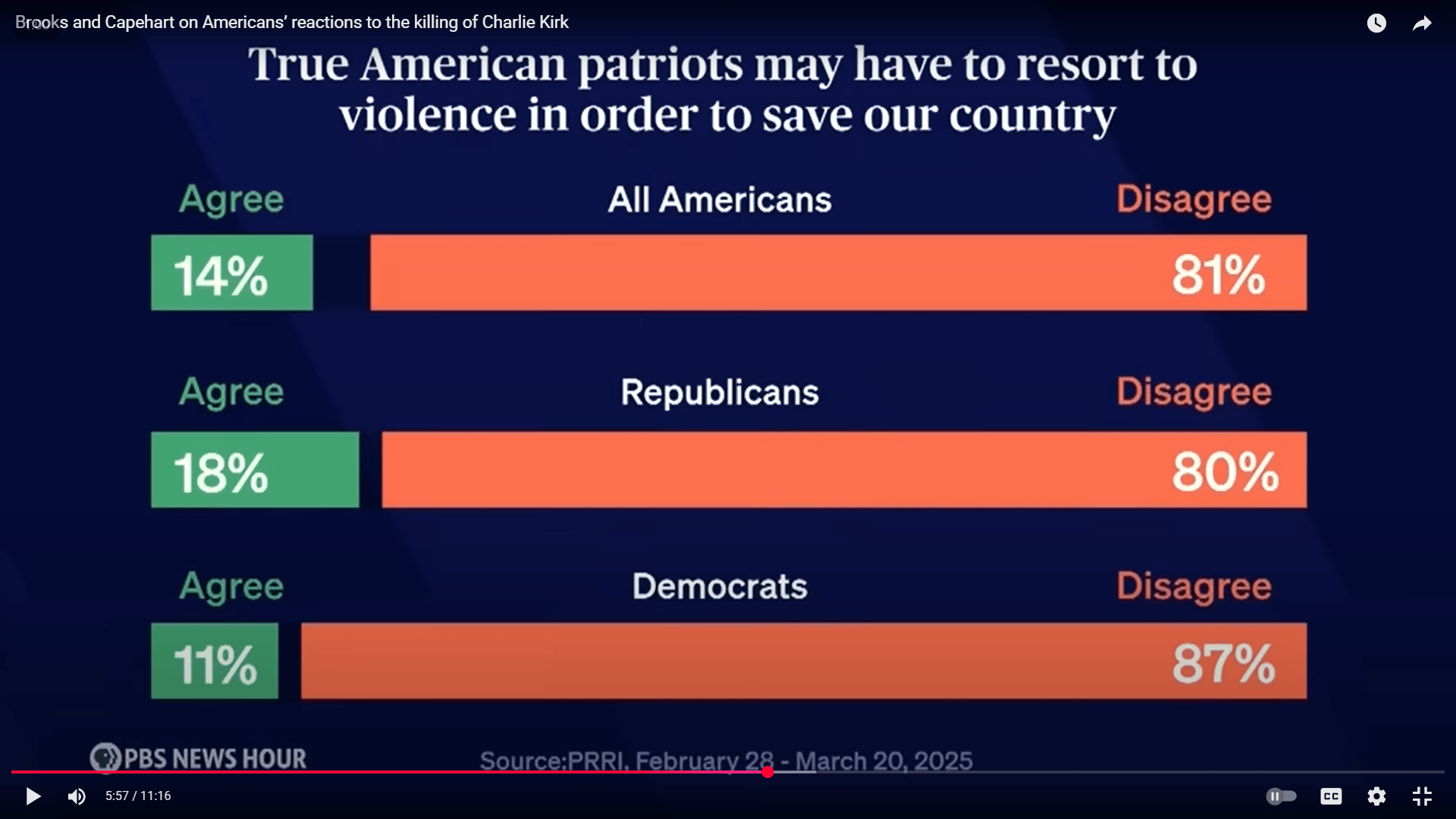
This is the sobering reality revealed in recent polling data that should serve as a wake-up call for anyone who wants to build a life of purpose, peace, and prosperity.
I’ve spent decades talking about the 80/20 Rule and the importance of surrounding yourself with “the 20%ers”—people who make things happen, who don’t live lives of fear, ignorance, and laziness.
But what I don’t often discuss is the dark inversion of this principle: the bottom 20% who will drain your energy, corrupt your thinking, and potentially destroy everything you’ve worked to build.
As a warrior and leader, I’ve always believed in the saying:
“It’s better to be a warrior in a garden than to be a gardener in a war.”
I continually advocate for training intensely to protect yourself and others from threats.
But here’s what most people miss: you prepare pessimistically so you can live optimistically, and violence is rarely—if ever—the solution to problems.
One of the main reasons we continue to have violence in the world is because we try to solve problems with the same mindset that created them, to paraphrase Einstein.
And that mindset is predominantly held by the bottom 20%—people who see force, fear, and destruction as primary tools for change.
Today, we’re going to explore the dark side of human nature and why your life, happiness, and success depend on identifying and eliminating these toxic influences from your circle as quickly as possible.
The Violence Mindset Warning Sign
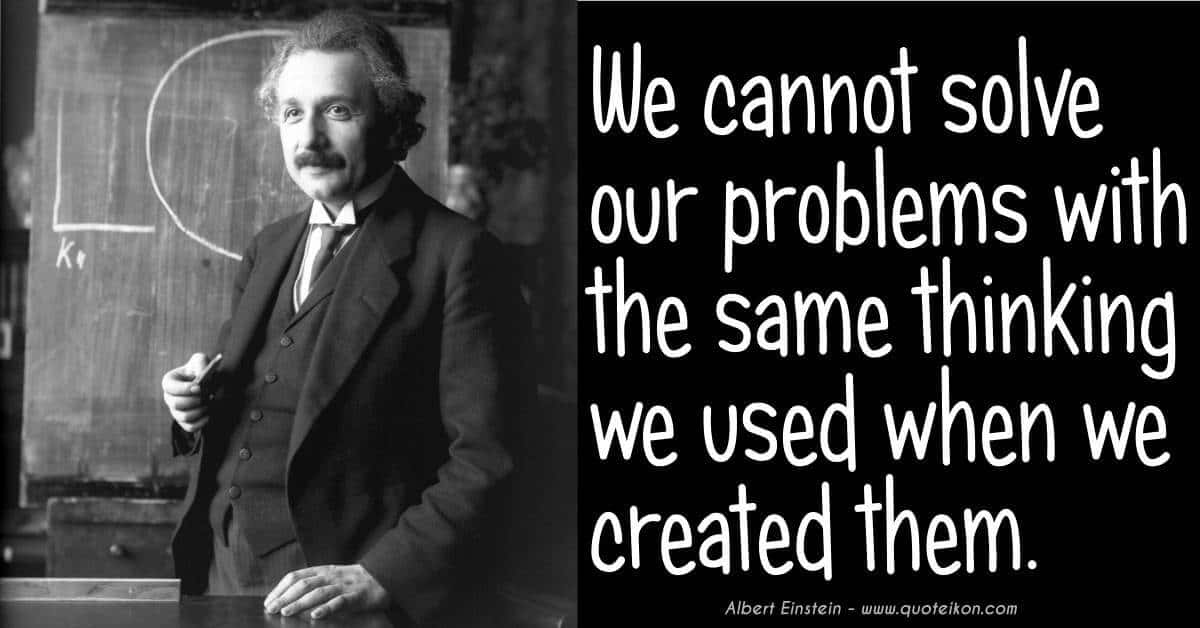
The recent PBS news report about Americans willing to resort to violence to “save” the country isn’t just a political story—it’s a character diagnosis of our society.
When someone believes violence is the answer to complex social, political, or economic problems, they’re revealing something fundamental about how their mind works.
This mindset represents:
- Intellectual laziness—the inability to think through complex solutions
- Emotional immaturity—resorting to force when frustrated
- Moral bankruptcy—believing ends justify any means
- Strategic blindness—failing to see long-term consequences
- Tribal thinking—viewing other humans as enemies to be destroyed
These are precisely the characteristics that define the bottom 20% of any population.
And if you have people in your life who think this way about any area—not just politics—they will eventually turn this destructive thinking toward you.
The 80/20 Hierarchy That Most People Don’t Understand
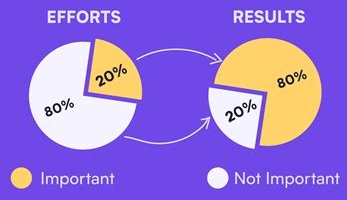
Most people think the 80/20 Rule is simple: 20% of people create 80% of the results, while 80% of people create 20% of the results.
But the mathematics go much deeper and more disturbing than that.
Here’s the thin-slicing calculus that will change how you see the world:
Third-tier 80%ers represent 51.2% of the total population.
They are the 80% of the 80% of the 80%.
These are people who are not just unproductive—they’re actively destructive.
They consume resources without creating value, spread negativity without offering solutions, and resist positive change while complaining about the status quo.
Third-tier 20%ers represent only 0.8% of the total population.
They are the 20% of the 20% of the 20%.
These are the true innovators, leaders, and value creators who drive human progress.
This means we are literally surrounded by people who live in fear, ignorance, and laziness.
More than half the people you encounter fall into this category.
Understanding this reality is crucial for making intelligent decisions about who deserves your time, energy, and trust.
Carlo Cipolla’s Warning About Human Stupidity
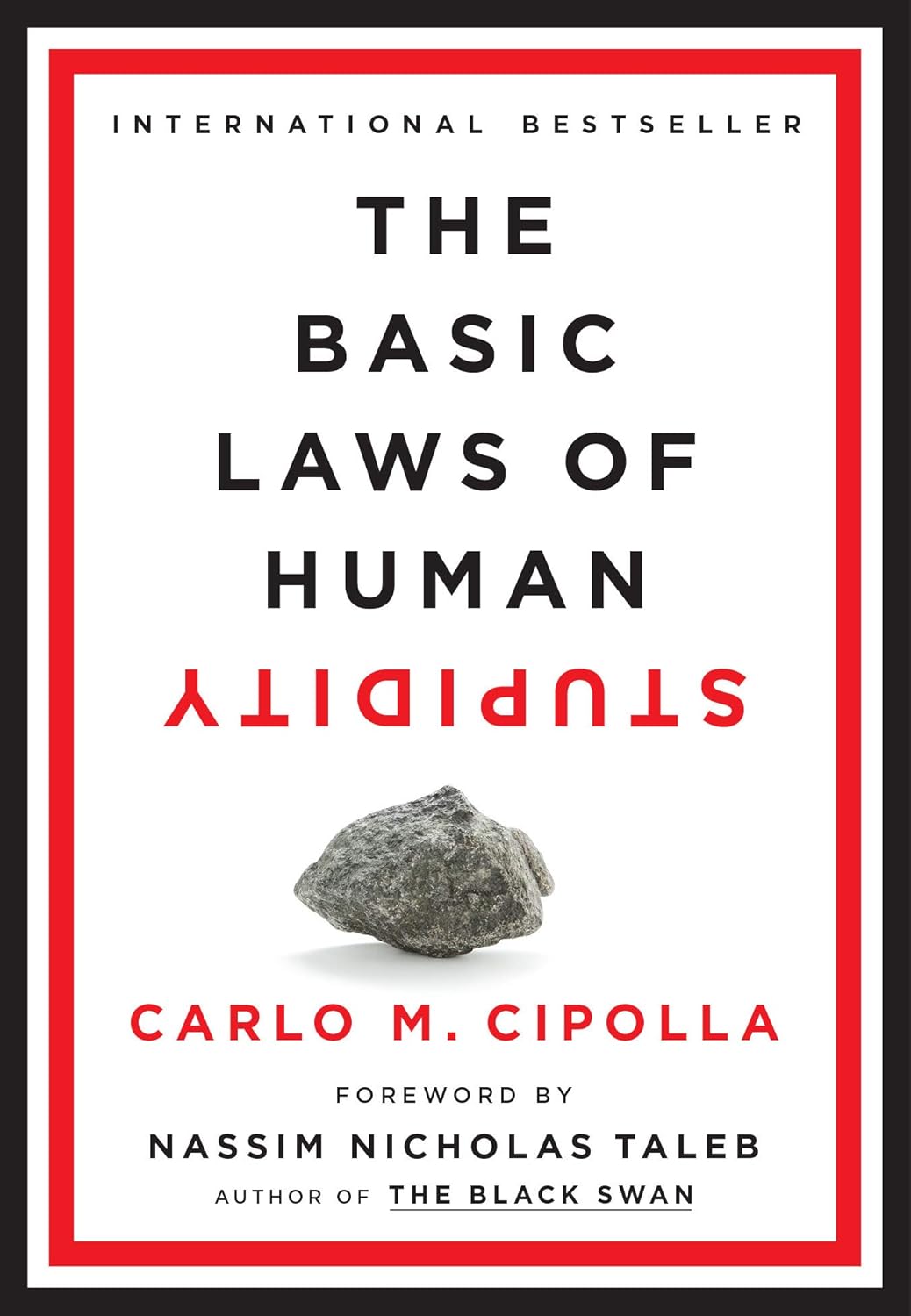
Italian economist Carlo Cipolla wrote a brilliant and disturbing analysis called “The Basic Laws of Human Stupidity.”
His research identified what he called “Bandits”—people who consciously do ill-will toward others for their own benefit.
But even more dangerous than Bandits are what Cipolla called “Stupid People”—those who cause harm to others while simultaneously harming themselves.
These people don’t even have the rational self-interest that motivates Bandits.
They destroy value seemingly for the sake of destruction itself.
Cipolla’s laws reveal some uncomfortable truths:
- Always and inevitably, everyone underestimates the number of stupid individuals in circulation
- The probability that a certain person is stupid is independent of any other characteristic of that person
- A stupid person is one who causes losses to others while deriving no gain and even possibly incurring losses themselves
- Non-stupid people always underestimate the damaging power of stupid individuals
- A stupid person is the most dangerous type of person
The bottom 20% (and part of the middle 60%) includes both Bandits and Stupid People.
Both categories will destroy your life if you let them.
The Three-Tier Strategy for Life Optimization
Here’s how to structure your relationships for maximum happiness and success:
Invest 80% of Your Time with the Top 20%
These are the people who:
- Create value rather than just consuming it
- Solve problems rather than just complaining about them
- Think long-term rather than seeking immediate gratification
- Take responsibility rather than blaming others
- Build others up rather than tearing them down
- Embrace growth rather than resisting change
Time spent with these people compounds your own capabilities and creates exponential returns on your investment in the relationship.
Spend 20% of Your Time with the Middle 60%
These are decent people who:
- Don’t actively harm but don’t actively help either
- Follow rather than lead but will follow good leadership
- Maintain status quo but won’t sabotage positive change
- Need guidance but will respond to it when provided
This time investment serves multiple purposes: it helps you give back, potentially elevates some of these people into the top 20%, and maintains your connection to the broader community.
Eliminate the Bottom 20% Completely
This is the hard truth most people refuse to accept: there are people in your life who will never change, will never contribute positively, and will actively work to undermine your success and happiness.
These people:
- Drain energy without providing any value in return
- Create drama and chaos wherever they go
- Resist all attempts at positive change or improvement
- Blame others for all their problems
- Use manipulation, guilt, and fear as primary tools
- See violence or destruction as acceptable solutions
Any time wasted on these people is time stolen from your own growth and from relationships that could actually enrich your life.
Recognizing the Bottom 20%: Warning Signs
The bottom 20% often disguise themselves well, especially in professional and social settings.
Here are the warning signs that someone belongs in this category:
The Victim Mentality Pattern
- Everything bad that happens to them is someone else’s fault
- They have elaborate explanations for why they can’t succeed
- They see conspiracy and malice where others see normal life challenges
- They collect grievances like trophies
The Destruction Impulse
- They prefer to tear down rather than build up
- They gossip, spread negativity, and create division
- They see other people’s success as a personal attack
- They would rather everyone be miserable than let some people be happy
The Intellectual Dishonesty Markers
- They change their principles based on convenience
- They use different standards for themselves than for others
- They refuse to acknowledge obvious facts that contradict their worldview
- They resort to personal attacks when their ideas are challenged
The Zero-Sum Thinking
- They believe your success means their failure
- They see all relationships as power struggles to be won
- They cannot genuinely celebrate others’ achievements
- They view cooperation as weakness and exploitation as strength
The Violence Acceptance
- They see force as a legitimate first option rather than last resort
- They glorify conflict and destruction
- They believe “might makes right”
- They justify harmful actions with abstract ideological goals
If someone consistently displays multiple patterns from this list, they belong in the bottom 20% and should be eliminated from your life.
The Cost of Keeping Toxic People
Many people resist cutting ties with bottom 20% individuals because they underestimate the true cost of these relationships.
Here’s what keeping toxic people in your life actually costs you:
Opportunity Cost
Every hour spent dealing with drama, negativity, and manipulation is an hour not spent with people who could help you grow, learn, and achieve your goals.
Emotional Drain
Toxic people are emotional vampires. They leave you feeling exhausted, frustrated, and demoralized. This emotional state makes you less effective in all other areas of your life.
Decision Fatigue
Constantly managing toxic relationships uses up your mental energy and decision-making capacity, leaving you with less cognitive resources for important decisions.
Reputation Contamination
You are judged by the company you keep. Associating with toxic people damages your reputation and makes high-quality people less likely to want to associate with you.
Stress-Related Health Issues
The chronic stress of dealing with toxic people creates real physical health problems that can shorten your life and reduce your quality of life.
Modeling for Others
If you have children or people who look up to you, tolerating toxic behavior teaches them that such behavior is acceptable.
The math is simple: the cost of keeping toxic people far exceeds any possible benefit they might provide.
The Elimination Process: How to Cut Ties Safely
Eliminating toxic people from your life requires strategy, especially when they’re family members, coworkers, or embedded in your social network.
Here’s how to do it effectively:
The Gray Rock Method
Make yourself as uninteresting as possible to toxic people. Give short, boring responses. Don’t share personal information. Don’t react emotionally to their provocations. Most toxic people will eventually move on to more interesting targets.
The Gradual Distance Strategy
Slowly reduce contact over time. Stop initiating conversations. Take longer to respond to messages. Decline invitations. Create natural separation without dramatic confrontations.
The Boundary Enforcement
Clearly communicate what behavior you will and won’t tolerate. Follow through consistently with consequences when boundaries are violated. Don’t negotiate or explain repeatedly—just enforce.
The Clean Break
In cases of severe toxicity, cut all contact immediately. Block phone numbers, social media accounts, and email addresses. Don’t explain or justify—just disappear from their life.
The Professional Protection
When toxic people are coworkers or business contacts, document everything, involve HR or management when appropriate, and maintain strictly professional interactions.
Remember: you don’t owe toxic people explanations, second chances, or consideration for their feelings.
Your primary obligation is to protect your own well-being and the well-being of people who matter to you.
The Liberation That Follows
Once you successfully eliminate the bottom 20% from your life, the results are often dramatic and immediate:
Increased Energy: Without constant drama and negativity, you have more mental and emotional energy for productive activities.
Better Decision-Making: With less stress and distraction, your thinking becomes clearer and more strategic.
Improved Relationships: The time and energy previously wasted on toxic people can now be invested in relationships that actually matter.
Higher Achievement: Without people actively undermining your efforts, you can focus on your goals and achieve them faster.
Greater Peace: The constant low-level stress of managing toxic relationships disappears, leading to better sleep, health, and overall well-being.
Attraction of Quality People: When you stop tolerating toxic behavior, you naturally attract higher-quality people who respect your standards.
The Warrior’s Responsibility
As someone who has trained in martial arts for decades, I understand the responsibility that comes with the ability to protect yourself and others.
But the first line of defense isn’t physical techniques—it’s choosing not to associate with people who create violence and chaos in the first place.
The same people who think violence is an acceptable solution to political problems are the ones who will bring that same destructive mindset to personal relationships, business dealings, and every other area of life.
By eliminating these people from your circle, you’re not just protecting yourself—you’re refusing to enable their destructive behavior and sending a clear message about what kind of conduct is acceptable in civilized society.
Your Action Plan
Starting today, audit your relationships using this framework:
Week 1: Assessment
- List all the people you interact with regularly
- Categorize them into top 20%, middle 60%, and bottom 20%
- Be honest about which relationships drain you versus energize you
Week 2: Strategic Planning
- Identify which bottom 20% people you can eliminate immediately
- Plan strategies for distancing yourself from those you can’t cut off completely
- Set clear boundaries for interactions with middle 60% people
Week 3: Implementation
- Begin the elimination process with the most toxic relationships
- Start spending more time with top 20% people
- Reduce time spent on social media and news that expose you to bottom 20% thinking
Week 4: Reinforcement
- Hold firm to new boundaries despite pushback
- Evaluate the changes in your stress levels and overall well-being
- Plan how to fill the time previously wasted on toxic relationships
The Bottom Line
The sobering reality is that we live in a world where significant percentages of the population think violence is an acceptable solution to complex problems.
These people represent the bottom 20% of human potential, and they will drag you down to their level if you let them.
Your life is too short and too precious to waste on people who add nothing positive to the world.
The mathematics are clear: invest your time and energy in the top 20% who create value, maintain limited engagement with the middle 60% who can be influenced positively, and eliminate the bottom 20% who will only bring destruction.
This isn’t about being elitist or uncaring.
This is about being strategic with the most valuable resources you have—your time, energy, and attention.
By refusing to enable toxic behavior and instead investing in relationships that elevate everyone involved, you’re not just improving your own life—you’re contributing to a better world.
The question isn’t whether you can afford to eliminate the bottom 20% from your life. The question is whether you can afford not to.
Your future self—happier, more successful, and surrounded by people who actually contribute to your growth—is counting on you to make the hard decisions today.
Choose wisely.
Choose courageously.
Choose to protect your peace and your potential from those who would destroy both.


Leave a Reply