You Don’t Rise to Your Potential: Why Systems Beat Dreams Every Time
There’s an ancient Greek poet named Archilochus who understood something about human performance that most people still haven’t figured out 2,700 years later:
“You don’t rise to the level of your expectations, you fall to the level of your training.”
Fast forward to modern times, and James Clear echoed this wisdom in Atomic Habits with his own version:
“You do not rise to the level of your goals. You fall to the level of your systems.”
Two different eras, same fundamental truth:
When pressure mounts and the stakes get real, you don’t magically become better than you’ve prepared to be.
You become exactly what your daily habits have trained you to become.
This insight explains why some people seem to effortlessly achieve what others only dream about.
It’s not talent, luck, or superior goal-setting. It’s the unglamorous reality of building systems that make success inevitable rather than hoping for it.
The Greek Warrior’s Wisdom
Archilochus wasn’t writing motivational quotes for Instagram.
He was a warrior-poet who understood that when bronze met bronze on ancient battlefields, survival had nothing to do with how badly you wanted to live or how much potential you possessed.
It came down to training.

Hours of repetitive drill with sword and shield. Muscle memory built through thousands of repetitions.
Systems of movement and decision-making that functioned automatically when conscious thought became impossible under stress.
The warrior who trained daily lived.
The one who relied on inspiration died.
This principle extends far beyond combat. In any high-pressure situation—whether it’s a business presentation, a difficult conversation, or a life-changing opportunity—you don’t suddenly become more capable than your preparation has made you.
You fall back on what you’ve practiced.
The Modern Misunderstanding
We live in an era obsessed with potential.
Self-help gurus sell us on the idea that we’re all capable of unlimited success if we just believe hard enough, set bigger goals, or unlock our hidden talents.
It’s a seductive lie.
Potential without systems is just well-dressed wishful thinking.
I see this everywhere: entrepreneurs with brilliant business ideas who can’t stick to basic daily disciplines.
Athletes with incredible natural ability who won’t commit to consistent training regimens.
Writers who dream of bestsellers but won’t establish regular writing habits.
They’re all falling to the level of their systems—or lack thereof.
The Weekly Check-In That Changed Everything
Looking back on my own journey from construction electrician to early retirement, I realize that whatever success I achieved wasn’t due to superior intelligence, exceptional talent, or lucky breaks.
It came from one unsexy habit that most people find too boring to implement:
I did a weekly check-in to ensure my daily actions aligned with my long-term goals.
Every Sunday, without fail, I’d sit down with a simple set of questions:
- What did I actually do this week versus what I planned to do?
- Are my current habits moving me toward my 5-year vision or away from it?
- Which activities are producing compound results and which are just keeping me busy?
- What needs to be adjusted, eliminated, or amplified for next week?
This wasn’t goal-setting or vision-boarding.
This was systems auditing—the unglamorous work of ensuring that my daily reality matched my stated priorities.
The Power of Alignment
Most people live in constant misalignment.
- They say they want financial freedom but spend their evenings watching Netflix instead of building skills or income streams.
- They claim family is their priority but work 70-hour weeks that leave no energy for relationships.
- They dream of being entrepreneurs but never develop the basic business systems that make success possible.
The weekly check-in forces you to confront the gap between your stated values and your actual behavior.
This confrontation is uncomfortable, which is why most people avoid it.
It’s much easier to blame external circumstances, bad luck, or insufficient opportunities than to admit that your current results are the predictable outcome of your current systems.
But here’s the beautiful thing about systems: they’re completely under your control.
You can’t control market conditions, other people’s decisions, or unexpected life events.
But you can control what time you wake up, how you spend your first hour, what you consume for information, and how you structure your days.
The Compound Effect of Small Alignments
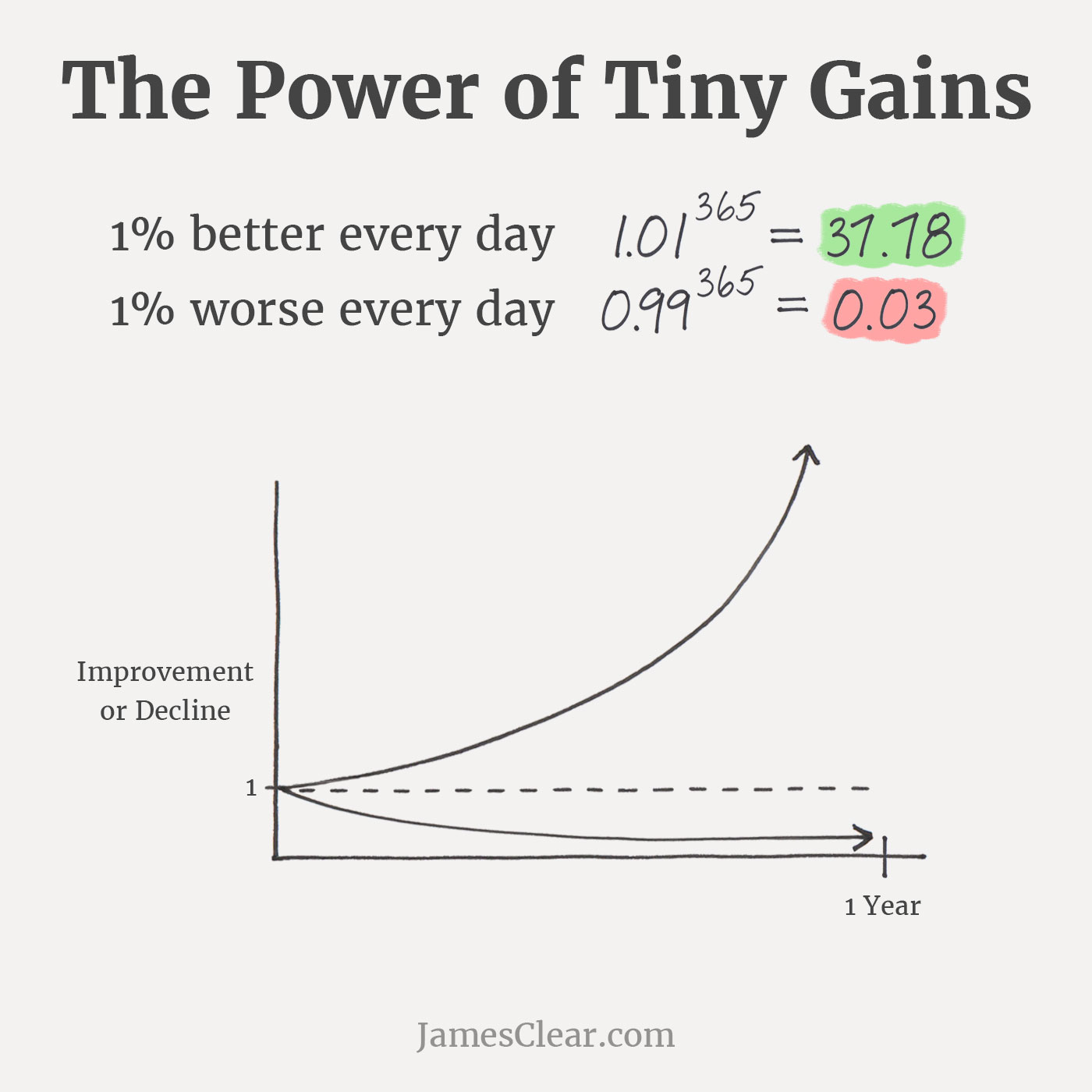
The magic happens in the margins—those small daily choices that seem insignificant in isolation but compound dramatically over time.
During my construction years, while my coworkers were content collecting paychecks, I was building systems:
Financial Systems:
- Automatic investment transfers every payday
- Monthly expense tracking and optimization
- Quarterly portfolio reviews and adjustments
- Annual financial goal assessment and planning
Learning Systems:
- Daily reading during lunch breaks
- Weekend courses in business and investing
- Networking events in fields outside construction
- Regular skill development outside my day job
Health Systems:
- Morning workout routine before work
- Meal planning and preparation on Sundays
- Regular martial arts training schedule
- Annual health checkups and monitoring
Relationship Systems:
- Weekly date nights with my wife
- Monthly check-ins about our shared goals
- Regular communication about financial priorities
- Scheduled time for friends and family
None of these individual habits were dramatic or impressive. But collectively, compounded over 15 years, they created the foundation for everything that followed.
The Dreams-Too-Small Regret
If I have one regret about this systematic approach, it’s that I dreamed, planned, and thought too small.
I was so focused on building reliable systems and achievable goals that I limited my vision to what seemed “realistic” based on my background and circumstances. I optimized for probability rather than possibility.
Looking back, I realize that the same systematic approach that got me from construction worker to comfortable retirement could have taken me much further if I’d been willing to think bigger.
This is why I’m now building something that would have seemed impossible to my younger self: a business helping martial arts gym owners transform their passion into profitable, sustainable enterprises.
The Martial Arts Business Parallel
The martial arts industry perfectly illustrates the gap between potential and systems.
Walk into any dojo and you’ll find incredibly skilled instructors who can teach complex techniques, inspire students, and embody the values of their art.
But ask them about:
- Customer acquisition systems
- Retention strategies
- Lifetime value optimization
- Business model development
- Financial management
And you’ll often find talented martial artists who are struggling to turn their passion into a sustainable business.
They have the potential to impact hundreds of lives and build substantial businesses. But they’re falling to the level of their business systems—which often don’t exist.
The Four Pillars of Business Systems
Whether you’re running a martial arts school or any other business, success comes down to four fundamental systems:
1. Customer Conversion Systems
How do prospects discover you, understand your value, and decide to buy? This isn’t about being “salesy”—it’s about creating clear pathways for people who need what you offer to find and choose you.
2. Engagement Systems
How do you onboard new customers, deliver value consistently, and create experiences that exceed expectations? First impressions matter, but lasting impressions determine everything.
3. Retention Systems
How do you keep good customers engaged, address concerns before they become problems, and create loyalty that withstands competitive pressure? It’s far easier to keep existing customers than acquire new ones.
4. Value Optimization Systems
How do you increase the lifetime value of each relationship through additional services, advanced programs, or complementary offerings? The best businesses grow by serving existing customers more deeply, not just acquiring more customers.
The Asset vs. Job Distinction
Most business owners—especially in passion-based industries like martial arts—accidentally create jobs for themselves rather than building business assets.
A job requires your constant presence and attention.
An asset works even when you’re not there.
The difference comes down to systems.
When your business depends on you personally handling every customer interaction, making every decision, and solving every problem, you’ve created a job that owns you rather than an asset you own.
But when you build systems that can operate independently, train others to execute those systems, and create processes that scale beyond your personal involvement, you’ve built something that can grow, be sold, or provide passive income.
If your dream has turned into a job and a nightmare, reach out to us and let’s see how we can help you.
The Weekly Business Check-In
For business owners, the weekly check-in becomes even more critical:
Conversion Metrics:
- How many prospects became customers this week?
- What’s working in our marketing and what isn’t?
- Where are we losing potential customers in the process?
Engagement Metrics:
- How are new customers progressing through our onboarding?
- What feedback are we receiving about our service delivery?
- Which touchpoints are creating the most value?
Retention Metrics:
- Who’s at risk of leaving and why?
- What can we do proactively to address concerns?
- How are we staying connected with existing customers?
Value Metrics:
- What’s the lifetime value of customers acquired this month?
- Which service offerings are most profitable?
- Where are opportunities to serve customers more deeply?
The Compound Effect of Business Systems
Just like personal habits, business systems compound over time.
A small improvement in conversion rates, multiplied by better retention, amplified by increased lifetime value, creates exponential rather than linear growth.
Most businesses fail not because of market conditions or competition, but because they never build the systems that make success sustainable.
They rely on the owner’s energy, charisma, and personal relationships rather than creating processes that work independently of any individual’s involvement.
The Systematic Approach to Bigger Dreams
Here’s what I’ve learned about thinking bigger while maintaining systematic discipline:
1. Audit Your Current Systems
What are you currently optimized for? If your systems are designed for survival, you’ll achieve survival. If they’re designed for growth, you’ll achieve growth.
2. Expand Your Vision Systematically
Don’t abandon systems thinking when you think bigger—apply it more rigorously. Bigger dreams require more sophisticated systems, not less systematic approaches.
3. Build Scalable Foundations
Create systems that can handle 10x growth without breaking. It’s easier to scale good systems than to rebuild broken ones when success arrives.
4. Measure What Matters
Track the metrics that actually drive your bigger vision, not just the ones that make you feel productive.
The Training Never Ends
Archilochus understood something that modern culture often forgets: training is never finished.
You don’t reach a level of competence and then coast on past achievements.
You either continue improving your systems or start declining toward previous levels of performance.
This applies whether you’re building personal wealth, developing martial arts skills, or growing a business.
The moment you stop systematically improving, you start systematically declining.
Your Next System
Whether you’re just starting your journey or looking to scale beyond current limitations, the principle remains the same: you will fall to the level of your systems.
The question isn’t whether you have potential—everyone has potential.
The question is whether you’re building systems that make that potential inevitable rather than hoping for it.
- Start with one weekly check-in.
- Choose one area of your life or business that matters most to your long-term vision.
- Build a simple system for measuring progress and making adjustments.
Then expand systematically from there.
Because at the end of the day, dreams without systems are just wishes. But systems without dreams are just busy work.
You need both: vision big enough to inspire consistent action, and systems reliable enough to make that vision inevitable.
The Greeks understood this 2,700 years ago. James Clear reminded us in modern language. Now it’s time to apply it to whatever arena matters most to you.
Your potential is waiting.
But it’s hiding behind the systems you haven’t built yet.

Leave a Reply