The Masterpiece Paradox: Why Daily Reps Beat Perfect Plans (And the 70/20/10 Rule That Changes Everything)
“The master has failed more times than the beginner has even tried.” – Stephen McCranie
I have a confession to make.
And I’m sorry/not sorry about it:
I’ve been flooding your inbox with daily articles every day for over two years, and I know what you might be thinking, “Does this guy think I have nothing better to do than read his stuff?!?”
Here’s the truth: while I genuinely want to add value to your life by sharing what I’ve learned over 40-50 years to help you become more successful, I’m also being completely selfish.
I’m using you as my training partner in the ultimate dojo of skill development—daily practice.

The Ceramics Class Revelation
There’s a famous story from Art & Fear by David Bayles and Ted Orland that perfectly illustrates why I choose daily practice over perfectionist publishing.
A ceramics teacher conducted an experiment by dividing the class into two groups with radically different grading criteria:
- Group A (Quantity Group): Graded purely on the total pounds of pottery they produced
- Group B (Quality Group): Graded on creating one “perfect” pot
At the end of the semester, when all the work was evaluated, the best pottery consistently came from the quantity group—the students who had been cranking out pot after pot, day after day.
Why the Quantity Group Dominated
The students focused on producing pounds of pottery were forced to:
- Move quickly past perfectionist paralysis
- Learn from immediate feedback and failure
- Experiment with different techniques through rapid iteration
- Develop unconscious competence through repetition
- Build momentum and creative confidence
Meanwhile, the “quality” group:
- Spent most of their time theorizing about the perfect pot
- Had no comparison points for what “good” actually looked like
- Became attached to early decisions, even bad ones
- Had only one chance to get it right
- Learned theory but lacked practical experience
The quantity group wasn’t trying to make masterpieces—they were trying to get better.
The masterpieces emerged naturally from the process of rapid iteration and learning.
The 70/20/10 Rule: The Mathematics of Excellence
This brings us to one of the most liberating principles I’ve learned in four decades of pursuing mastery in various fields: the 70/20/10 Rule of creative output.
Even when you’re giving your absolute best effort:
- 70% of your work will be just okay (competent but unremarkable)
- 20% of your work will actually suck (below your own standards)
- 10% of your work will be genuinely excellent (potentially masterpiece material)
This isn’t a failure of effort or talent—it’s the natural distribution of creative output for anyone pushing their boundaries.
Why This Rule is Liberating
Understanding the 70/20/10 Rule frees you from the paralysis of perfectionism.
If you know that most of your work will be average, you can:
- Stop pressuring every attempt to be perfect
- Focus on volume to increase your chances of hitting that 10%
- Learn from the 20% that doesn’t work
- Build confidence from the consistent 70% that’s competent
The key insight: you can’t reliably predict which 10% will be excellent beforehand.
You have to create enough volume to let the excellence emerge naturally.
Why I Chose “The Daily Dojo” Over Perfection
“Nobody tells this to people who are beginners, I wish someone told me.
All of us who do creative work, we get into it because we have good taste.
But there is this gap.
For the first couple years you make stuff, it’s just not that good.
It’s trying to be good, it has potential, but it’s not.
But your taste, the thing that got you into the game, is still killer.
And your taste is why your work disappoints you.
A lot of people never get past this phase, they quit.
Most people I know who do interesting, creative work went through years of this.
We know our work doesn’t have this special thing that we want it to have.
We all go through this.
And if you are just starting out or you are still in this phase, you gotta know its normal and the most important thing you can do is do a lot of work.
Put yourself on a deadline so that every week you will finish one story.
It is only by going through a volume of work that you will close that gap, and your work will be as good as your ambitions.
And I took longer to figure out how to do this than anyone I’ve ever met.
It’s gonna take awhile.
It’s normal to take awhile.
You’ve just gotta fight your way through.” ― Ira Glass
This is exactly why I commit to daily articles rather than weekly or monthly pieces.
I’m playing the numbers game of mastery:
Daily Practice Advantages:
- More opportunities to hit that excellent 10%
- Faster feedback loops for improvement
- Building unconscious competence through repetition
- Developing the discipline that underlies all mastery
- Creating momentum that makes the work feel effortless
If I wrote one article per month, I’d have 12 chances per year to create something excellent.
With daily practice, I have 365 opportunities.
The mathematics of mastery favor frequency over perfection.
The Compound Effect of Daily Reps
Each daily article isn’t just practice—it’s compound interest on skill development:
- Day 1-30: Learning basic mechanics, finding my voice
- Day 31-100: Developing confidence, experimenting with style
- Day 101-365: Building unconscious competence, hitting flow states
- Year 2 and beyond: Operating at levels that seemed impossible at the start
The daily practitioners don’t just get better—they get better at getting better.
The Science Behind Quantity Leading to Quality
Neuroplasticity and Skill Acquisition
Modern neuroscience confirms what the ceramics students experienced.
Skill acquisition requires both deliberate practice and volume practice:
- Deliberate Practice: Focused attention on specific weaknesses
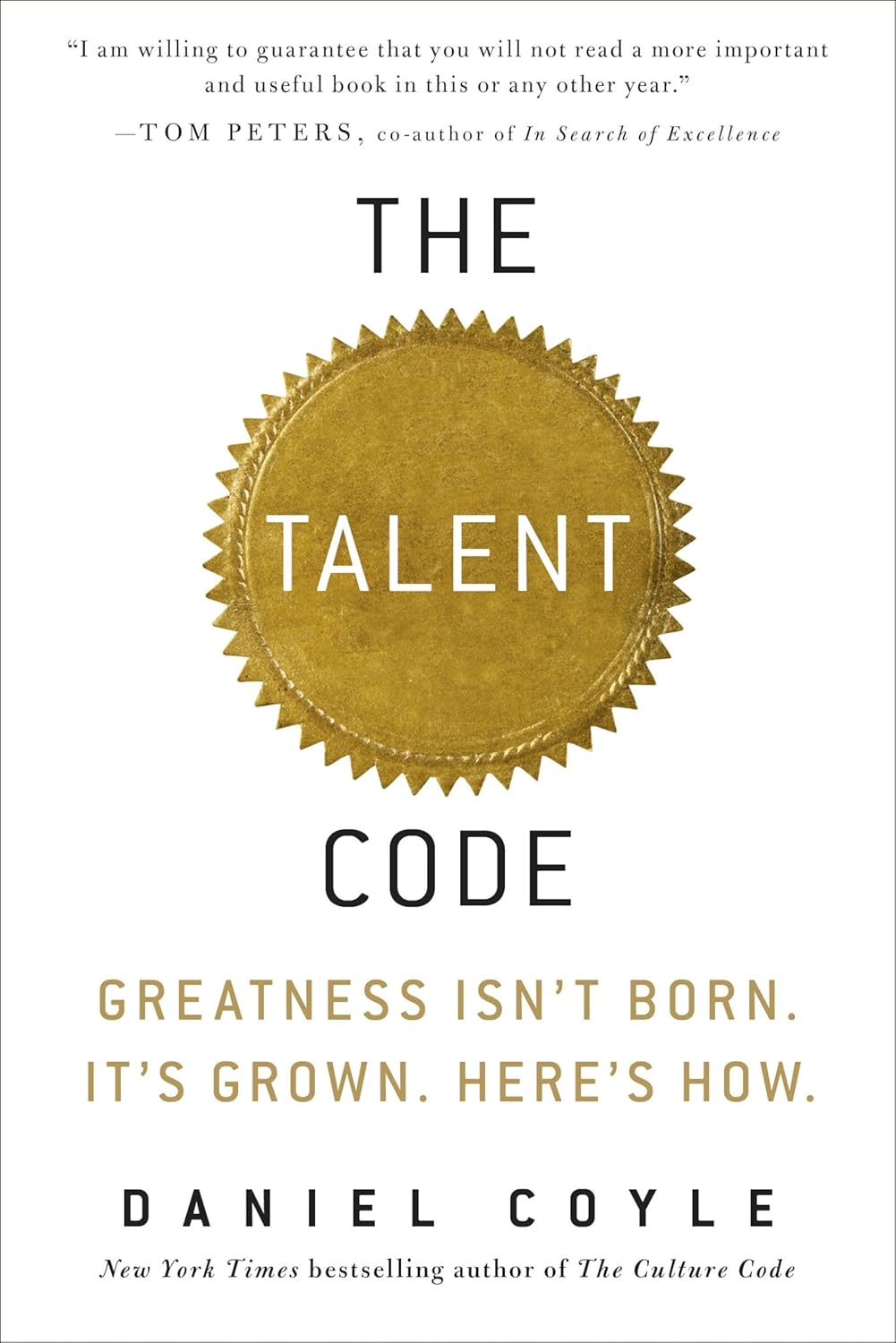
- Volume Practice: Enough repetitions to build neural pathways
Most people focus exclusively on deliberate practice, trying to perfect each attempt.
But without sufficient volume, those neural pathways never become automatic.
The Expertise Research
Studies of world-class performers across domains—from chess grandmasters to concert pianists—reveal consistent patterns:
- 10,000+ hours of practice (but quality of practice matters more than raw time)
- Immediate feedback loops to correct errors quickly
- Progressive challenge increase to avoid plateaus
- High volume of attempts in various conditions
The common thread: masters create more than non-masters, not just better individual pieces.
The Failure Advantage
The 20% of work that “sucks” isn’t wasted effort—it’s essential data for improvement.
Each failure provides:
- Clear feedback about what doesn’t work
- Reduced attachment to specific approaches
- Increased willingness to experiment
- Resilience building for future challenges
- Pattern recognition for avoiding similar mistakes
Masters aren’t people who never fail—they’re people who fail faster and learn more from each failure.
Applying the 70/20/10 Rule to Your Domain
The ceramics class principle and 70/20/10 Rule apply beyond writing to virtually any skill you want to develop:
Business and Entrepreneurship
Daily Practice: Create one piece of content, make one sales call, test one small hypothesis
- 70%: Competent but not breakthrough results
- 20%: Ideas that don’t work, strategies that fail
- 10%: Innovations that create significant value
Key Insight: Most successful entrepreneurs have multiple failed ventures behind them. The failures weren’t detours—they were necessary steps toward mastery.
Physical Fitness
Daily Practice: Show up for movement, even if just 10 minutes
- 70%: Workouts that maintain your baseline fitness
- 20%: Sessions where you feel terrible or perform poorly
- 10%: Breakthrough workouts that create new personal records
Key Insight: Consistency beats intensity. The daily movers outlast the weekend warriors every time.
Relationships
Daily Practice: Make one meaningful connection, practice one communication skill
- 70%: Normal, pleasant interactions
- 20%: Conversations that go poorly or feel awkward
- 10%: Deep connections that strengthen relationships significantly
Key Insight: Relationship mastery comes from showing up consistently, not just during important moments.
Creative Work
Daily Practice: Create something, even if small or imperfect
- 70%: Competent work that meets basic standards
- 20%: Creative attempts that miss the mark
- 10%: Pieces that surprise even you with their quality
Key Insight: You can’t edit a blank page. Creating inferior work is infinitely better than creating nothing.
The Perfectionist’s Trap vs. The Practitioner’s Path
The Perfectionist Mindset
- “I’ll start when I have the perfect plan”
- “This needs to be amazing before I share it”
- “I don’t want to waste time on inferior work”
- “I’ll wait until I have more time/skills/resources”
Result: Analysis paralysis, procrastination, and minimal output
The Practitioner Mindset
- “I’ll improve through doing”
- “This is today’s practice, not my final masterpiece”
- “Every attempt teaches me something valuable”
- “I’ll start with what I have and improve as I go”
Result: Rapid skill development, increasing confidence, and eventual mastery
The Compound Interest of Imperfection
Perfect work requires perfect conditions, perfect timing, and perfect execution—conditions that rarely align.
Good-enough work compounds daily, creating momentum that eventually produces results superior to what perfectionism could achieve.
The perfectionist spends six months planning the perfect workout routine and never starts. The practitioner does push-ups in their living room today and gradually builds strength that the perfectionist never achieves.
Breaking Through the Quality Barrier
Here’s what the quality-focused ceramics students missed: you can’t think your way to mastery. You have to practice your way there.
The Theory vs. Practice Gap
The quality group spent their time:
- Reading about perfect technique
- Planning the ideal pot
- Avoiding “mistakes” that might ruin their one piece
- Second-guessing every decision
The quantity group spent their time:
- Actually working with clay
- Learning how different techniques felt in practice
- Discovering what worked through trial and error
- Building muscle memory and intuitive understanding
Theory is important, but it’s no substitute for hands-on experience.
The quantity group was getting real-world feedback that the quality group never received.
The Feedback Loop Advantage
Every pot the quantity group created provided immediate lessons:
- This glaze cracks when fired at high temperatures
- This clay responds better to slow, steady pressure
- This shape is unstable and collapses
- This technique creates beautiful texture
By the end of the semester, they had hundreds of data points about what worked and what didn’t.
The quality group had only their theories.
Your Daily Practice Challenge
So here’s my challenge to you:
What skill do you want to develop that you’ve been putting off because you don’t feel ready to do it “perfectly”?
Maybe it’s:
- Writing that book you’ve been planning for years
- Starting that business you’ve been researching to death
- Learning that instrument gathering dust in your closet
- Developing that fitness routine you never seem to have time for
- Building those relationships you keep meaning to prioritize
The Daily Minimum Strategy
Instead of waiting for the perfect moment or the perfect plan, commit to a daily minimum that’s so small it feels almost silly:
- Writing: One paragraph per day
- Business: One small action toward your goal
- Music: Five minutes of practice
- Fitness: Ten push-ups or a five-minute walk
- Relationships: One meaningful text or call
The goal isn’t to create perfection—it’s to create momentum.
Once you start moving, you’ll often find yourself doing more than the minimum.
But even if you don’t, the daily minimums compound into remarkable results.
The Liberation of “Good Enough”
Understanding the 70/20/10 Rule and the ceramics class lesson has been profoundly liberating for me.
It gave me permission to be imperfect while pursuing excellence.
Instead of agonizing over every article, trying to make each one perfect, I focus on making each one useful.
Some days the writing flows effortlessly.
Other days it’s a struggle.
But every day, I show up and practice the craft.
The result?
After months of daily practice, I’m writing faster, thinking more clearly, and connecting ideas in ways that surprise even me.
The skill development happened not because I waited for inspiration, but because I committed to the process.
The Compounding Power of Consistency
Here’s what most people miss: the magic isn’t in any single day of practice.
The magic is in the compound effect of showing up consistently.
- Day 1: Terrible, but you started
- Day 10: Still struggling, but building habits
- Day 30: Starting to see small improvements
- Day 100: Noticeable progress, growing confidence
- Day 365: Operating at a level that seemed impossible at the start
The perfectionist is still planning their perfect approach while the practitioner is already operating at mastery level.
The Call to Daily Arms
So here’s my invitation: join me in the daily practice revolution.
Choose quantity over quality, consistency over perfection, progress over paralysis.
- Pick one skill.
- Commit to one small daily action.
- Embrace the 70/20/10 Rule.
- Accept that most of your attempts will be mediocre, some will be terrible, and a few will surprise you with their excellence.
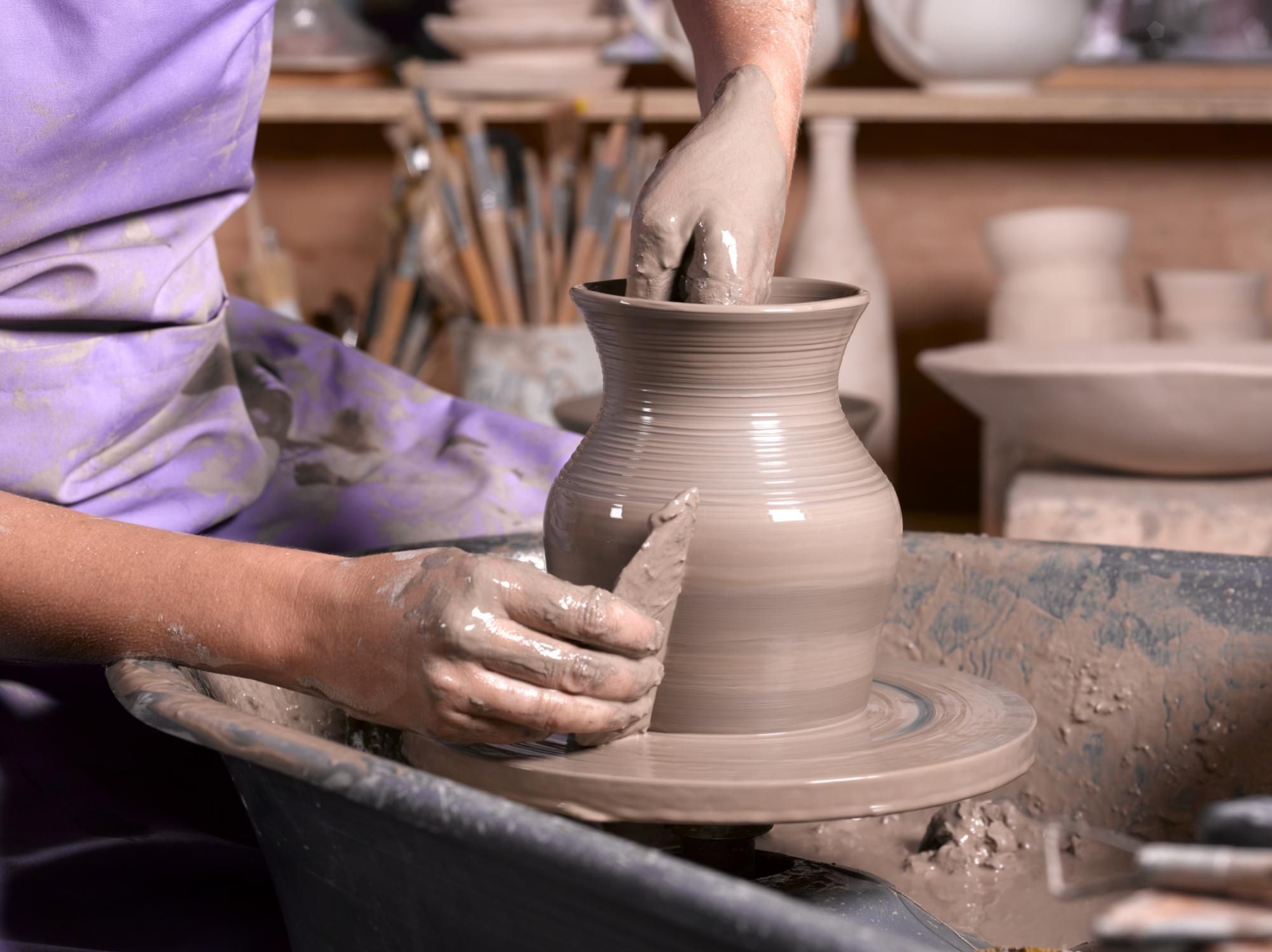
The ceramics students who focused on producing pounds of pottery didn’t set out to make masterpieces.
They set out to make pottery.
The masterpieces emerged from the process.
Your masterpiece is waiting on the other side of consistent, imperfect practice.
What are you waiting for?
The clay is ready.
The wheel is spinning.
It’s time to get your hands dirty.

Leave a Reply