Why Hard Workers Fail: The Fake Guru Epidemic That’s Stealing Your Success
Most people waste their time following people who “look good” instead of people who “are good.”
Whether you’re on the mat or a construction site, that’ll leave you vulnerable — in life, it simply leaves you spinning your wheels.
Imagine this scene: Standing at the rear of a martial arts dojang in Santa Monica, observing what was the most remarkable black belt exams I’d ever witnessed.
The candidate, Marcus Sakamoto, flowed with liquid grace and stunning power, performed intricate techniques without error, and showcased years of disciplined practice. The entire room was captivated by his expertise and dedication.
Then came the moment that shifted everything for me.

I found out later that week that Mr. Sakamoto did not pass his exam.
I was stunned— having come from Hawaii’s Asian martial arts scene, this was the finest exhibition I’d ever observed.
But in that instant, I discovered what I’d been seeking: an instructor who upheld standards so rigorous that even brilliance wasn’t automatically sufficient.
Someone who valued authentic mastery over making students feel satisfied with average performance.
That single encounter sealed my choice to invest the following two decades training under GM Han, and it revealed the most crucial insight of my life: the distinction between achievement and disappointment often has little to do with dedication, ability, or even circumstances. It has everything to do with whom you select as your mentors.
Most individuals stumble not from insufficient effort, but from following misguided leaders — the gurus’ equivalent of used car dealers who appear impressive superficially but lack the depth to create genuine transformation in your existence.
The Modern Guru Gold Rush
Navigate through any airport bookstore, browse social media feeds, or attend professional development seminars, and you’ll witness the same phenomenon that has ensnared millions of driven individuals in loops of activity without progress: a constant parade of self-appointed authorities who have perfected the craft of appearing accomplished without actually being accomplished.
The Packaging Over Substance Problem:
In our Instagram-filtered, LinkedIn-polished culture, image has superseded accomplishment.
Anyone with professional photography, a sleek website, and persuasive personal branding can establish themselves as an authority, irrespective of their genuine track record.
This generates what I term “the guru mirage” — individuals who have perfected the theater of achievement without mastering the fundamentals of achievement.
They understand how to discuss wealth creation without having created wealth, how to address relationship expertise without having perfected relationships, how to instruct business tactics without having constructed businesses.
The Credentials vs. Results Confusion:
Many individuals select guides based on stunning qualifications rather than demonstrable outcomes. An impressive MBA from an elite institution, certification from a respected organization, or magnetic presentation skills often receives more consideration than the fundamental question: “What have you genuinely accomplished in the actual world?”
Throughout my construction career, I absorbed this lesson harshly. Simply because someone had finished their apprenticeship and cleared the journeyman’s examination didn’t guarantee they were capable workers or valuable mentors.
Some of the most certified electricians on job sites were also the least dependable, least competent, and poorest teachers, and I worked around my share of them to see it for myself.
Conversely, some of the most invaluable instructors I met never pursued recognition, lacked impressive titles, and wouldn’t have appeared compelling on a motivational poster.
But they possessed something far more precious: decades of real-world achievements and the insight that emerges from actually practicing what they taught.
Level 1 — The Due Diligence Detective: Separating Signal from Noise
Your initial mission requires cultivating the capacity to rapidly distinguish genuine expertise from polished presentation.
This skill alone will preserve you years of misdirected effort following inappropriate guides.
The Three-Layer Investigation System:

Before committing substantial time, resources, or energy with any prospective mentor, instructor, or coach, execute this methodical evaluation:
Layer 1 – The Energy Audit: Visit their physical space when feasible. Enter their office, academy, or workspace.
What do you sense?
Is there an atmosphere of intentional activity and concentrated energy, or does it seem like theater and display?
Trust your intuition about the environment they cultivate.
When I initially visited GM Han’s dojang, the energy was unmistakable — earnest students working intensely, respectful exchanges, and an environment of authentic learning rather than entertainment.
No elaborate equipment or flashy promotional materials, just focused practitioners advancing real capabilities.
Layer 2 – The Personal Assessment: Encounter them directly when possible. As I discovered as a young man, look them in the eye and shake their hand.
This reveals more than any resume or website biography.
Are they present and genuine in personal interaction, or do they appear to be “performing” even in individual conversation?
Layer 3 – The Extended Exposure Test: Avoid making choices based on a single encounter or brief trial.
Anyone can sustain a performance for a week.
The genuine test arrives with prolonged exposure. GM Han was correct when he informed me I wouldn’t absorb anything meaningful in a one-week trial— it requires months or years to determine whether someone maintains their principles when the initial impression period concludes.
The Results Verification Framework:
Rather than accepting claims without question, examine their actual track record:
- Specific Outcomes: What measurable achievements have they generated for themselves and others?
- Timeframe Transparency: How long did it require them to accomplish these results?
- Replicability Evidence: Have multiple students/clients achieved comparable outcomes following their methods?
- Current Status: Are they still actively participating in what they teach, or are they simply discussing past accomplishments?
Your Level 1 Milestone: You cease being impressed by credentials and marketing polish, concentrating instead on evidence of genuine competence and character.
Level 2 — The Warning Sign Detector: Recognizing Red Flags Before They Cost You
Once you can execute basic due diligence, the next stage requires recognizing the subtle indicators that suggest someone is more appearance than substance, selling fantasies rather than delivering outcomes.
The Classic Guru Red Flags:
- Promise Inflation: They assert their methods will generate dramatic results rapidly with minimal effort. Genuine expertise acknowledges that significant accomplishment demands sustained effort over time.
- Credential Name-Dropping: They invest more time discussing their qualifications, certifications, and famous associations than demonstrating actual competence through work.
- Criticism Avoidance: They cannot handle inquiries, resistance, or skepticism without becoming defensive or dismissive. Authentic experts welcome thoughtful challenges because they’re confident in their knowledge.
- Student Dependency: They establish systems where students require ongoing access to them rather than developing independent competence. True instructors want their students to eventually exceed them.
- Social Proof Manipulation: They depend heavily on testimonials, reviews, and social media metrics rather than allowing their work to speak for itself.
The 80/20 Learning Strategy:
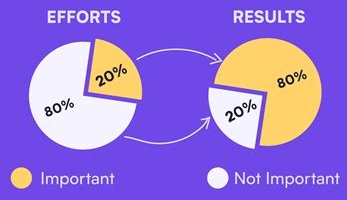
Because truly exceptional mentors are scarce (perhaps 20% or fewer of people who present themselves as teachers), learn to extract value from everyone while being selective about whom you commit to deeply:
- Learn What NOT to Do: Sometimes the most valuable education emerges from observing failure patterns. Poor mentors can teach you what to avoid just as clearly as excellent mentors teach you what to pursue.
- Extract Useful Elements: Even flawed teachers might possess one or two valuable insights or techniques. Take what serves you and abandon the rest.
- Maintain High Standards: Don’t reduce your standards for deep mentorship simply because good teachers are difficult to find. Better to learn gradually from excellent sources than rapidly from mediocre ones.
The Commitment Test:
Before making significant investments in any teacher or program, apply this filter:
Are they requesting your commitment to their process, or simply your money for their promises?
Authentic teachers desire committed students, not merely paying customers.
They’re willing to refuse people who aren’t prepared to do the work rather than accept anyone who can pay the fees.
Your Level 2 Milestone: You can rapidly identify when someone is selling you an image of success rather than a pathway to actual results.
Level 3 — The Master Seeker: Finding and Maximizing Time with True Experts
The highest level of learning requires identifying the rare individuals who combine genuine expertise with the ability to transfer that knowledge to others, then positioning yourself to extract maximum value from limited access to them.
The Badass Identification System:
True masters often don’t resemble what you expect. They might lack polished marketing, impressive titles, or charismatic personalities. But they possess certain unmistakable characteristics:
- Quiet Confidence: They don’t need to convince you they’re excellent— their work demonstrates itself.
- Standards Over Popularity: They maintain high standards even when it costs them students, clients, or social approval.
- Continuous Learning: They’re still actively improving their craft rather than simply teaching what they learned years ago.
- Student Success: Their former students achieve measurable results and often become excellent in their own right.
- Long-term Thinking: They focus on sustainable development rather than quick fixes or dramatic transformations.
The Empty Sponge Approach:
When you discover genuine masters, maximize your learning by adopting what I call the “empty sponge” mentality:
- Listen More Than You Speak: Your role is to absorb information and perspective, not to prove how much you already know.
- Ask Better Questions: Instead of asking what to do, ask why they make certain decisions and how they think through problems.
- Study Their Process: Pay attention to how they approach challenges, not just the techniques they use.
- Implement Immediately: Don’t just collect information—apply what you learn and report back on your results.
The Hip-Gluing Strategy:
When you identify someone worth learning from deeply, find ways to stay close to them:
- Volunteer to help with their projects
- Offer to handle tasks they find tedious in exchange for learning opportunities
- Ask thoughtful questions that demonstrate you’re serious about improvement
- Be reliable, respectful, and genuinely interested in their expertise
Your Level 3 Milestone: You’ve developed relationships with one or two genuinely exceptional mentors who significantly accelerate your development because you’ve proven worthy of their investment.
Level 4 — The Teacher Builder: Developing Others While Continuing to Learn
True mastery requires not just finding good teachers, but eventually becoming one yourself while maintaining the humility to keep learning from others.
The Teaching Through Modeling Approach:
The most powerful way to help others avoid fake gurus is to demonstrate what authentic expertise looks like:
- Focus on results rather than image
- Maintain high standards for yourself and those you mentor
- Acknowledge what you don’t know rather than pretending universal competence
- Point people toward better teachers when they need expertise you don’t have
The Teacher Network Strategy:
Build relationships with other authentic experts in different domains.
This allows you to refer people to appropriate mentors rather than trying to be everything to everyone.
Your Level 4 Milestone: Others seek your recommendations for teachers and mentors because they trust your ability to distinguish authentic expertise from impressive marketing.
Putting It On the Mat
This week, I challenge you to conduct a mentor audit of the people currently influencing your thinking and development.
Your 7-Day Teacher Evaluation Challenge:
- Days 1-2 (Assessment): List the people you currently learn from through books, courses, coaching, or mentorship. For each, identify what specific results they’ve achieved that qualify them to teach you.
- Days 3-4 (Investigation): Choose one potential mentor or teacher you’ve been considering and apply the three-layer investigation system.
- Days 5-7 (Implementation): Either deepen your relationship with someone who passes your evaluation or distance yourself from someone who doesn’t meet your standards.
The Monthly Mentor Mastery Protocol:
Each month, focus on improving one aspect of your learning relationships:
- Month 1: Audit current teachers and eliminate those who don’t meet high standards
- Month 2: Identify and approach one potential mentor worth learning from
- Month 3: Develop systems for maximizing value from your best teachers
- Month 4: Begin sharing your knowledge with others who could benefit
Your Weekly Learning Check-in:
Every Sunday, spend 15 minutes reflecting on:
- What did I learn this week from someone with proven expertise?
- Where am I still following advice from people who haven’t achieved what they’re teaching?
- How can I position myself to learn from better teachers?
Remember: Your success is largely determined by the quality of instruction you receive. You can work incredibly hard following the wrong guidance and achieve disappointing results, or you can work smart under excellent mentorship and achieve extraordinary outcomes.
The choice of who to learn from might be the most important decision you make in any area of your life.
Choose wisely, and be willing to wait for quality rather than settling for convenience.